



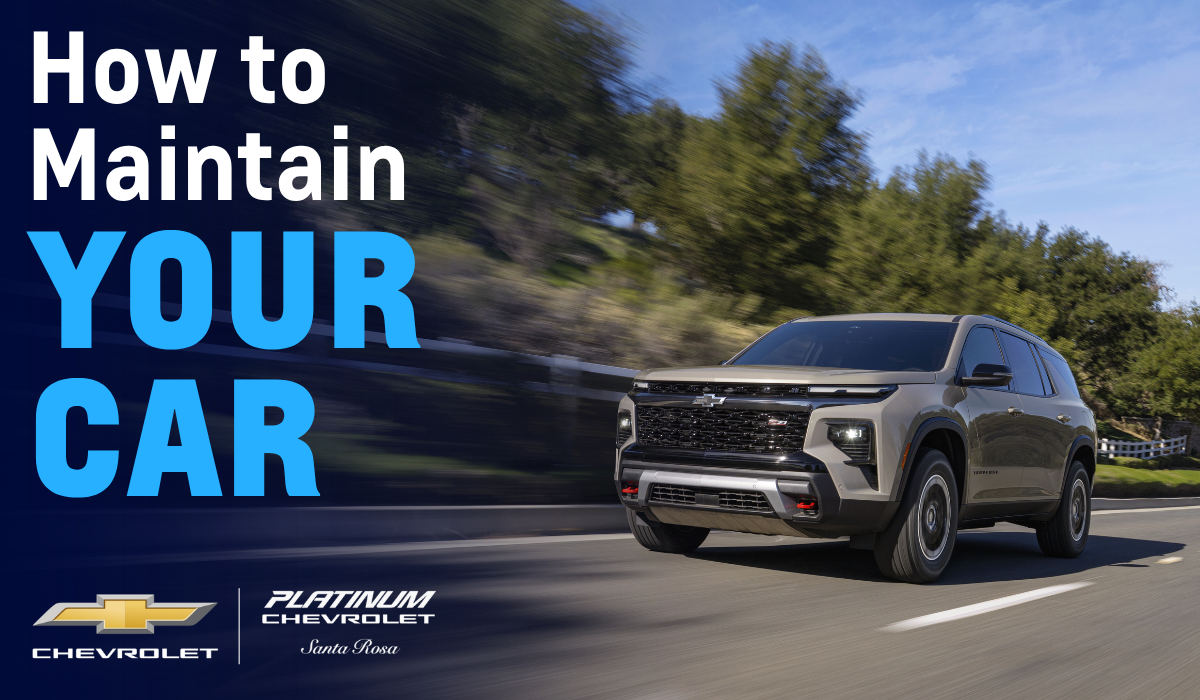
Whether you commute along Highway 101 or mostly make short trips around Santa Rosa, the goal is to understand what your vehicle needs and when. This guide explains the essential checks, how to find the right service intervals, and which tasks belong with a technician.
Visit Our Service Center
Preventative Car Maintenance Checklist
Use this checklist as a starting point. Replacement intervals depend on your vehicle’s model year, engine, equipment, and driving conditions.| Maintenance task | When to check or service | What to watch for |
| Tire pressure and condition | Check pressure monthly and before long trips | Low pressure, uneven tread, cracks, or bulges |
| Engine oil, if applicable | Check the level as directed in your manual; follow oil-change reminders and time limits | Low oil level, leaks, or dashboard alerts |
| Brakes | Follow scheduled inspections; address symptoms promptly | Grinding, vibration, or changes in pedal feel |
| Coolant and other fluids | Follow your owner’s manual and investigate leaks | Falling fluid levels, puddles, or overheating |
| Lights and windshield wipers | Check regularly and before longer trips | Failed bulbs, streaking, or poor visibility |
| Battery, filters, belts, and hoses | Inspect during appropriate service visits | Starting trouble, damaged components, or overdue replacements |
Start With Your Vehicle’s Maintenance Schedule
Your owner’s manual is the best starting point for car maintenance advice. Find the schedule for your exact model year and powertrain, then check both mileage and time limits. Some services become due even when you drive very little.Check whether your driving falls under additional or severe-service requirements. Towing, dusty roads, and other demanding conditions may change what your vehicle needs; use the definitions in its manual.
Chevrolet owners can find their vehicle’s manuals and maintenance information online. Keep a record of the service date, mileage, work completed, and recommended next steps. This makes it easier to avoid missed maintenance or paying for work already performed.
Essential Car Maintenance Tasks
Check Engine Oil and Follow Oil-Change Reminders
For a gasoline or diesel vehicle, check the oil level using the procedure in the owner’s manual. Use the specified oil grade and approval standard if oil needs adding.An oil-life monitor estimates when an oil change is due; it does not replace checking the oil level. Chevrolet explains that its system considers vehicle use when calculating oil life. Follow the reminder and the manual’s time limit. See Chevrolet’s engine oil guidance.
Treat an oil-pressure warning as urgent. If the display tells you to stop the engine, pull over safely, shut it off, and seek assistance.
Check Tire Pressure, Tread, and Wear
Use the pressure specified on your vehicle’s tire-information label, usually inside the driver’s door opening. The maximum pressure printed on a tire’s sidewall is not the vehicle’s recommended setting.Check pressure when tires are cold, meaning the vehicle has not been driven for at least three hours. Look across the tread for uneven wear and inspect the sidewalls for damage. Follow the manufacturer’s rotation instructions, since some tire configurations have restrictions. These steps follow NHTSA’s tire maintenance recommendations.
HHave Brakes Inspected When Symptoms Appear
Brake wear depends on driving conditions and use, so replacement should follow inspection findings. Persistent squealing, grinding, vibration, or an unfamiliar pedal feel warrants attention.Ask the technician to explain the condition of the pads and rotors and what needs attention now versus later. Chevrolet’s maintenance guidance recommends prompt inspection when brakes squeak or squeal. If braking ability changes significantly, stop driving and arrange assistance.
Monitor Fluids and Investigate Leaks
Coolant, brake fluid, transmission fluid, and washer fluid each have different requirements. Use the specified product and checking procedure for your vehicle. Some systems require professional inspection.Never remove a coolant pressure cap while the engine is hot. If a fluid level repeatedly falls, have the cause investigated rather than continually topping it up. Note where a puddle appears and whether there are warning lights; that information can help a technician diagnose the issue.
Check the Battery, Filters, Belts, and Hoses
Slow starting is a reason to have the battery and charging system tested. A test can help determine whether the battery needs charging, replacement, or further diagnosis.Follow the replacement schedule for engine and cabin air filters. They serve different purposes: one filters air entering the engine, while the other filters air moving through the cabin ventilation system. Have belts and hoses inspected for deterioration, damage, or leaks during appropriate service visits.
Keep Lights, Wipers, and Glass Clear
Check headlights, brake lights, turn signals, and other exterior lighting. Replace wiper blades that leave streaks or fail to clear the windshield effectively. Clean the glass inside and out, and maintain the washer-fluid level.Regular washing also gives you a chance to notice paint damage, loose trim, or other changes that might otherwise go unseen.
Car Service Tips for Santa Rosa Drivers
Make your car maintenance tasks fit the trips you actually take:- Before rainy-weather driving: Check tread condition, wiper performance, lights, and windshield visibility.
- Before a Sonoma Coast trip: Check tire pressure, fuel or charge level, and any unresolved dashboard alerts before leaving.
- For dusty roads or towing: Check the additional maintenance requirements in your owner’s manual and tell your service advisor how you use the vehicle.
What Car Maintenance Can You Do Yourself?
Many owners can check tire pressure, inspect lights, add the correct washer fluid, and replace accessible wiper blades. Use the owner’s manual to decide whether a task matches your tools and experience.Brake repairs, persistent leaks, electrical diagnosis, and work requiring the vehicle to be lifted may call for professional equipment and training. Never get underneath a vehicle supported only by a jack. High-voltage EV components require qualified service personnel, as Chevrolet’s EV maintenance guidance explains.
Get Help With Car Maintenance in Santa Rosa
A useful maintenance plan starts with your vehicle’s schedule and current condition. Bring your maintenance records and any questions about changes you’ve noticed to your next appointment.Visit Our Service Center